
Posted by THE ICON Crew on 1st Jan 2016
CRICKET BAT GRAIN MYTH
The Wide Grain Myth
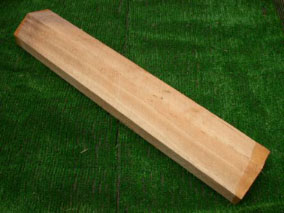
Generally we would expect a blade to have wide grain if it has less than 6 grains on the face. The width of the grain is entirely dependent upon how fast the tree has grown, each grain represents one year’s growth. The factors that affect the rate of growth are the soil quality and amount of water available.
In these modern times when growers want a quick return on their investment, trees have been planted in the most ideal site for the tree to grow quickly. This means that in the future there are going to be less narrow grain trees available. Unfortunately when it takes all this time to grow a tree you cannot allow for changes in ‘fashion’ which could alter from year to year.
In this respect we have cut mature trees in as little as 10 years, but generally 12 to 18 years gives a wider grain with 25 years or more a narrower grain. A narrow grain bat will certainly play well, quicker, but will not have a particularly long life.
On the other hand a wider grain bat (with as little as 4 grains on the face) will play as well, given time, as a narrow grain, it will also , without doubt have a longer life span. The reason for this is that the wood is not as old, so it is stronger and will stand up better to the beating with some of the very hard balls used in matches.
We are finding with the climate changing and growing seasons getting longer, that the amount of narrow grain we are producing is getting less as a percentage. There is nothing we can do about it and players will have to adapt in the coming years to accepting more wider grains.